
Over the course of many years, systematic testing of geological materials from multiple continents led to the identification of a rare, high‑value tellurite ore system located in Arizona. Advanced XRF analysis consistently confirmed the presence of multiple precious and platinum‑group metals including gold, silver, palladium, rhodium, ruthenium, platinum, iridium, and indium — occurring together in concentrations far above typical crustal levels.
The exact location of the deposit remains confidential to ensure security, integrity of the site, and controlled scientific evaluation.
AZ MINE LLC is a private research initiative focused on the recovery and characterization of precious and platinum‑group metals (PMG) from tellurite‑bearing geological materials. The project combines field discovery, laboratory analysis, and proprietary thermal and electro‑hydro processing methods to produce high‑grade PMG concentrates.
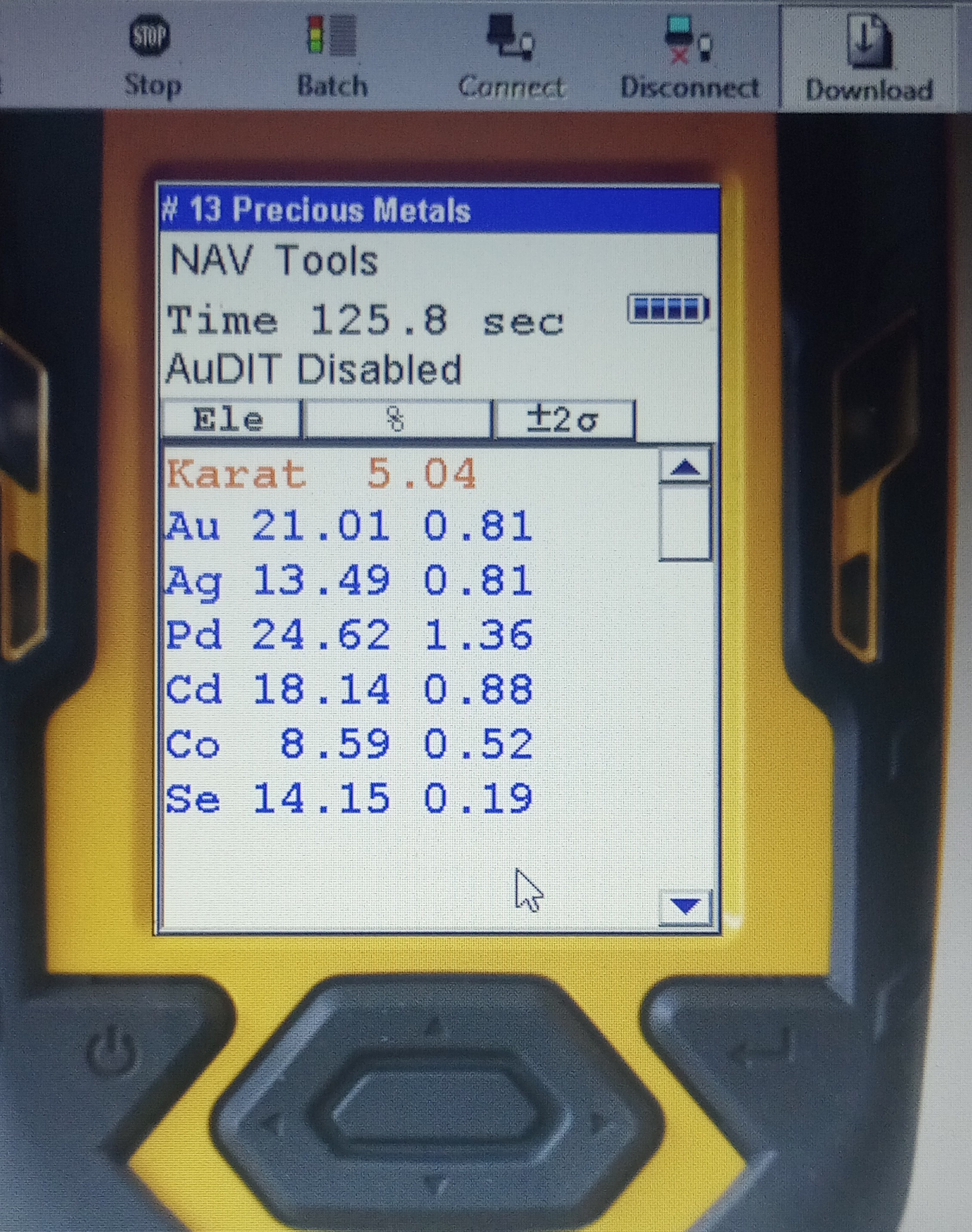
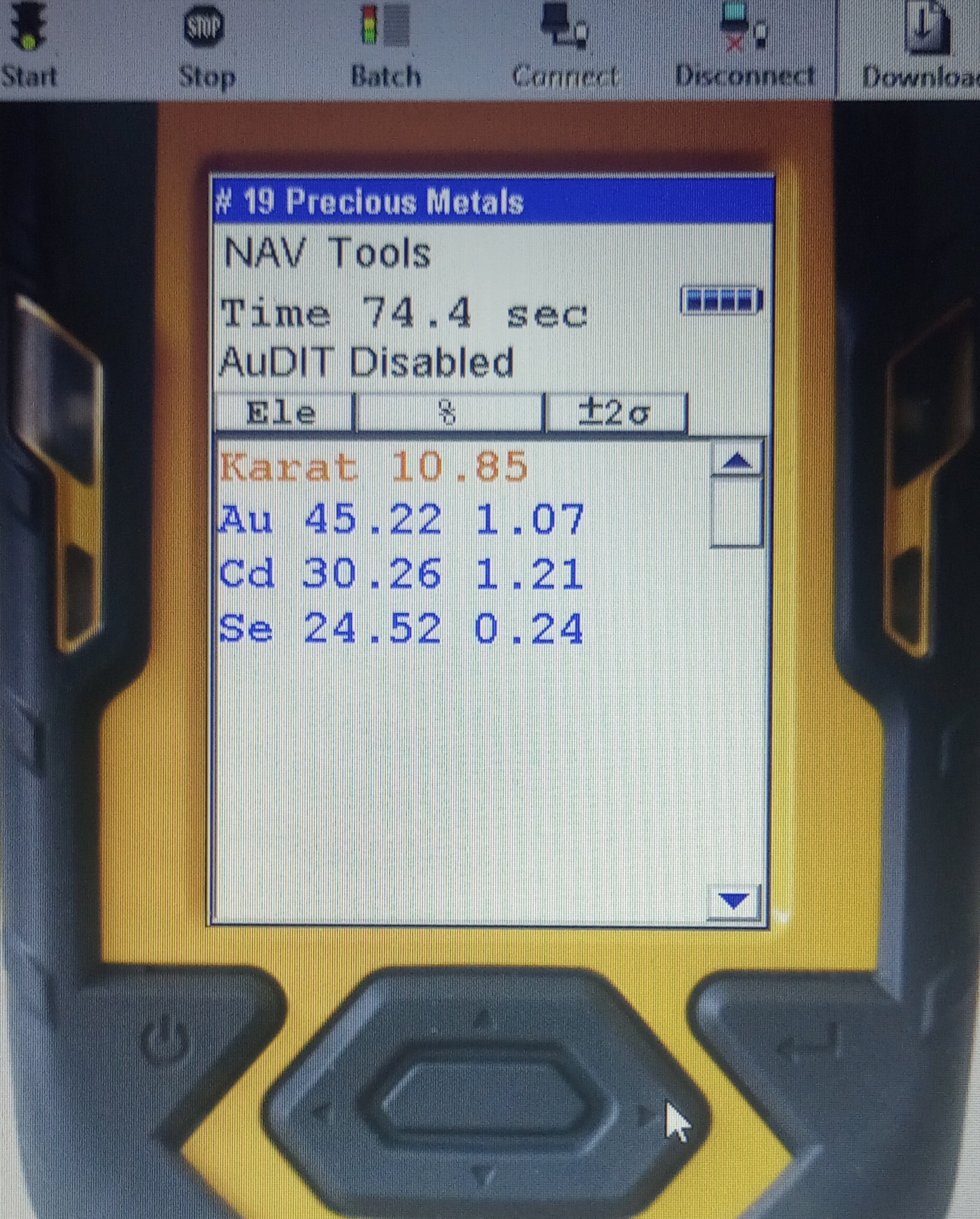
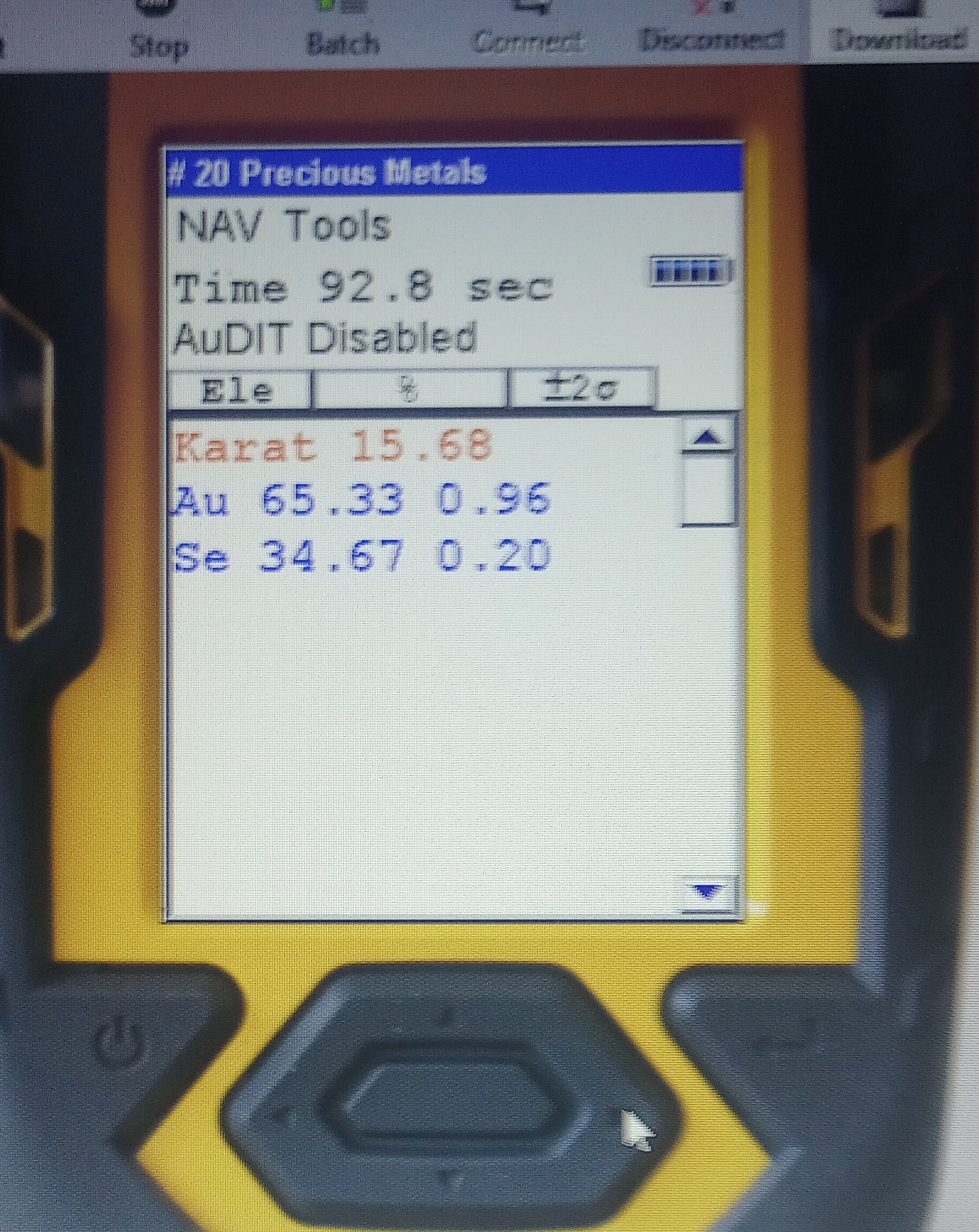
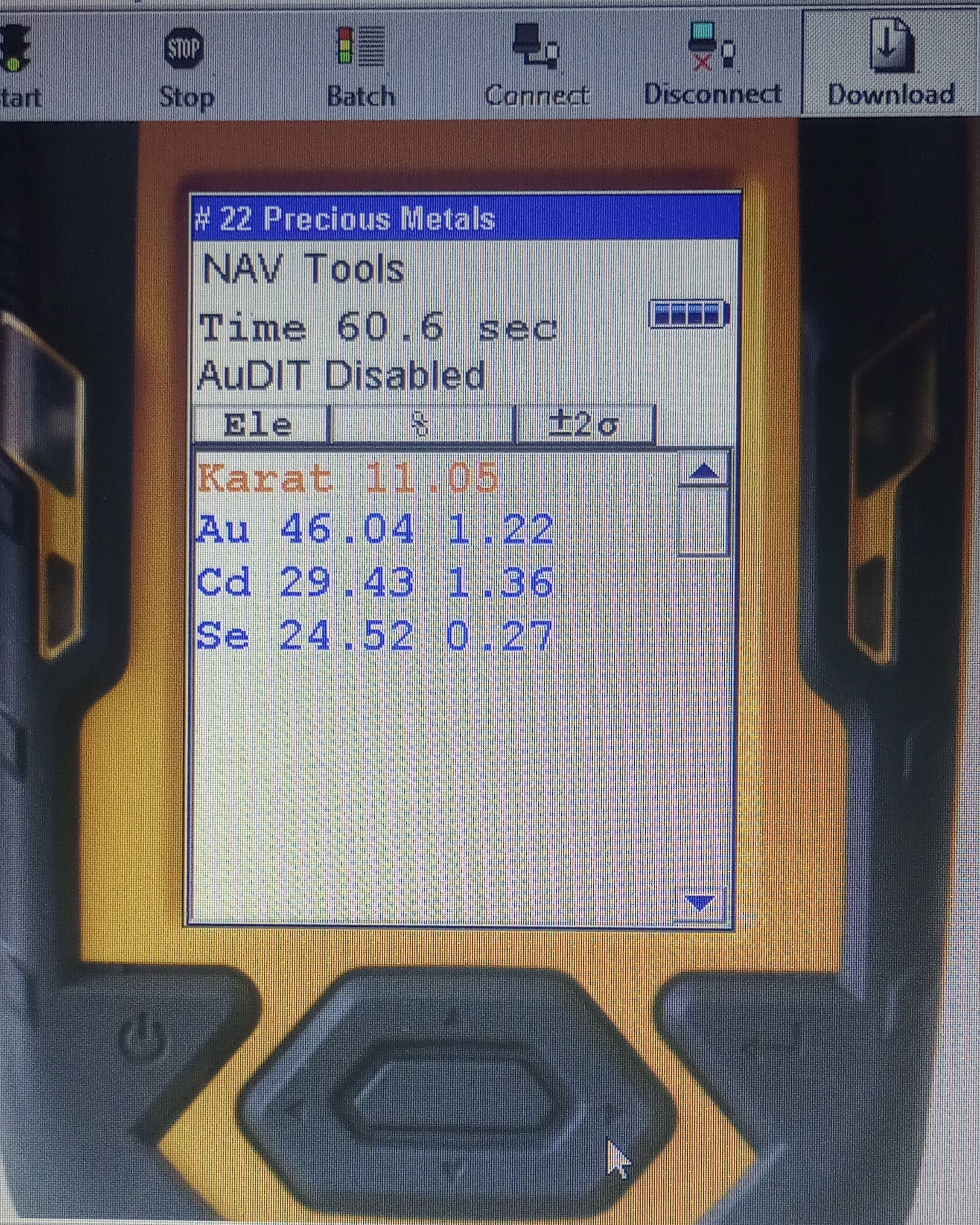
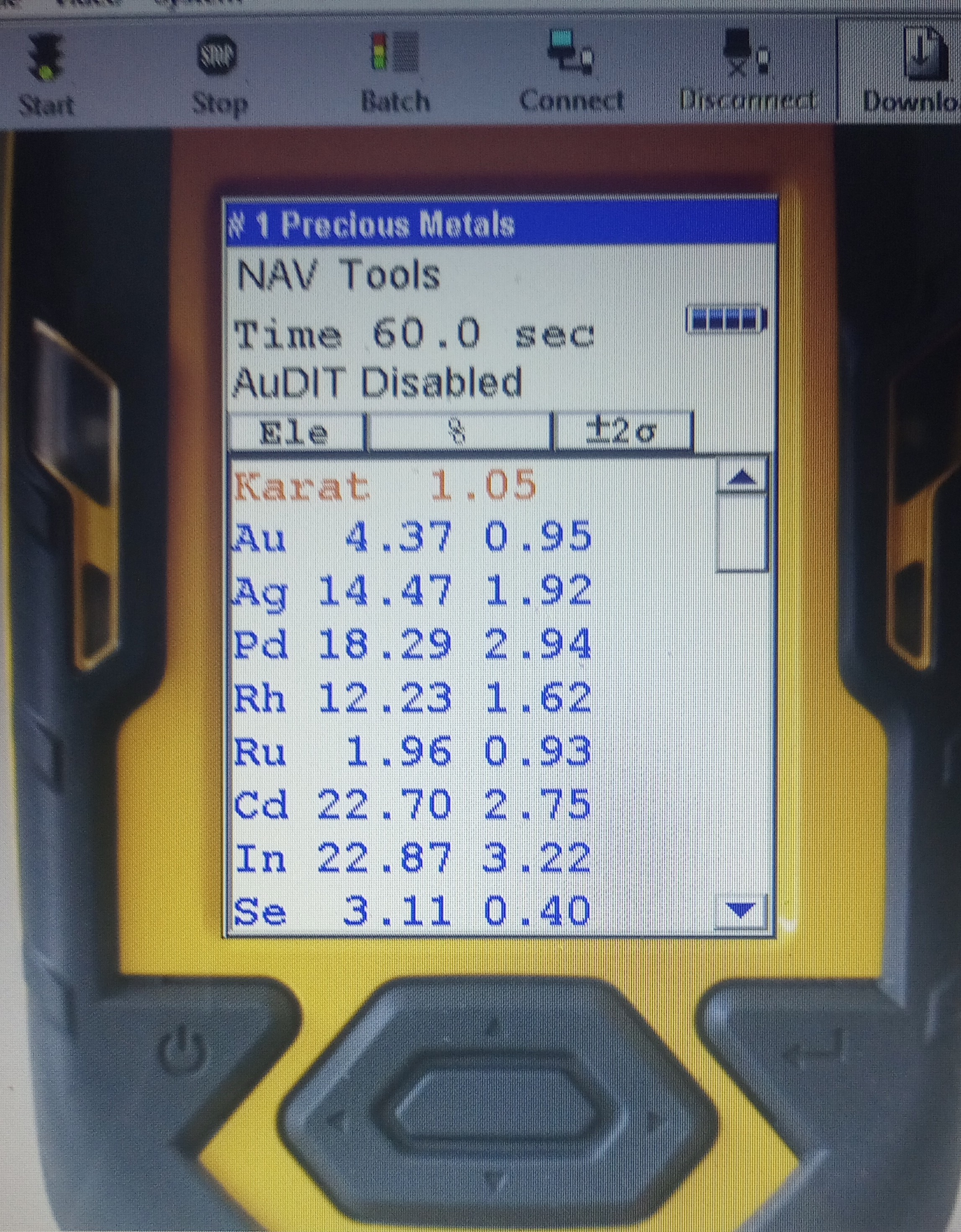
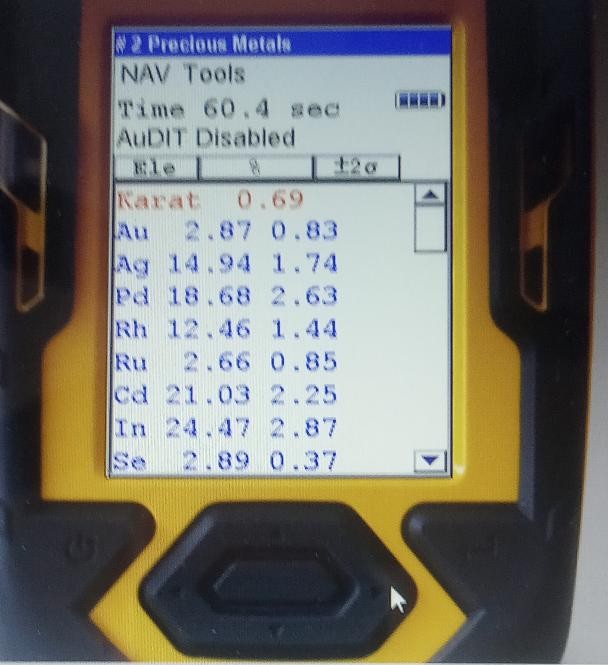
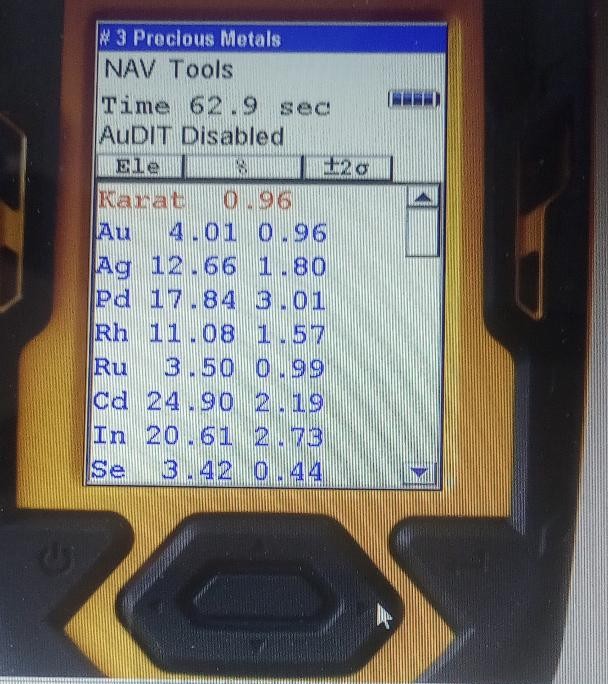
The XRF scans below were performed on four randomly selected raw tellurite‑bearing rock samples. Over the years, hundreds of similar stones have been examined, and XRF readings consistently indicated total precious‑metal content ranging from 20%+ to over 70%. Based on the full population of tested samples, an average value of approximately 50%+ can be considered representative.
The four scans shown below were performed with different measurement times:
These results demonstrate a consistent pattern: shorter scans (≈60 sec) tend to register the combined PMG signal primarily as “Au,” while longer scans progressively separate the spectrum into individual elements, revealing the true multi‑metal composition.
In summary, quick scans show the overall precious‑metal mass, while extended scans provide accurate elemental resolution.
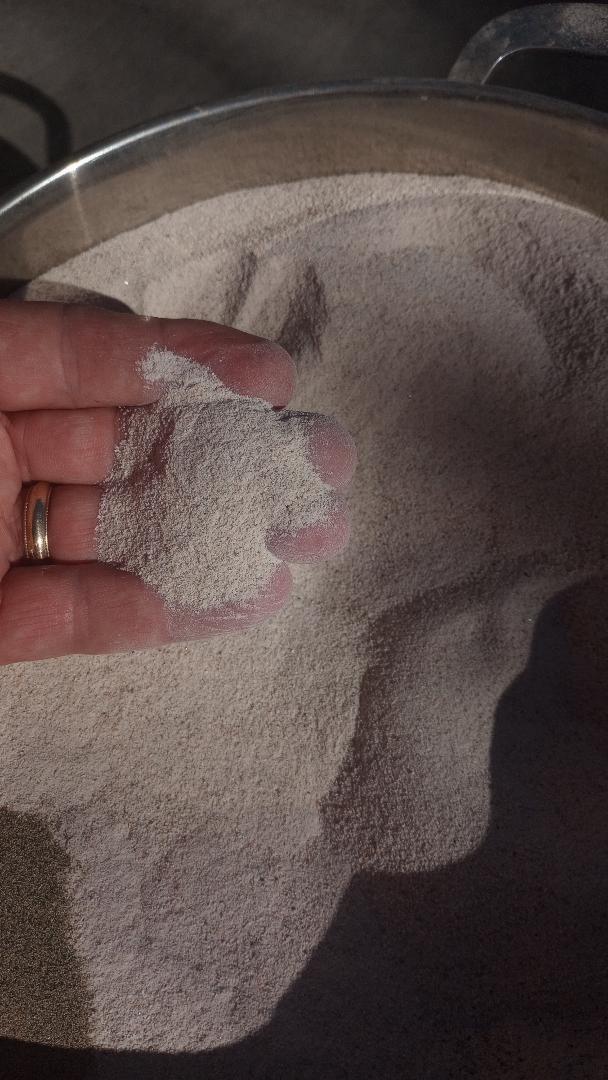
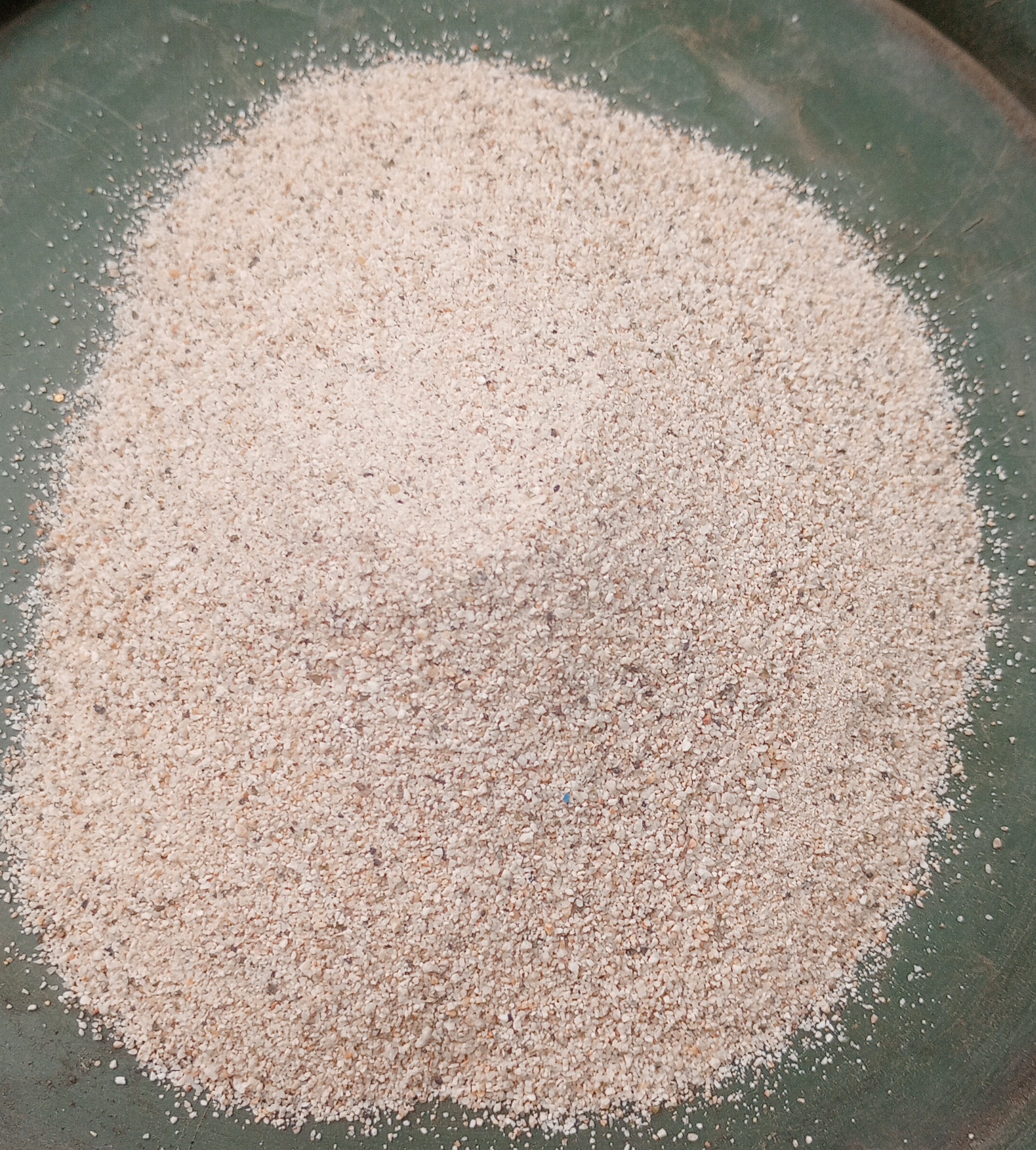
The tellurite ore undergoes a controlled multi‑stage preparation process designed to activate, separate, and recover precious‑metal phases with maximum efficiency:
The photographs below document three stages of this workflow:
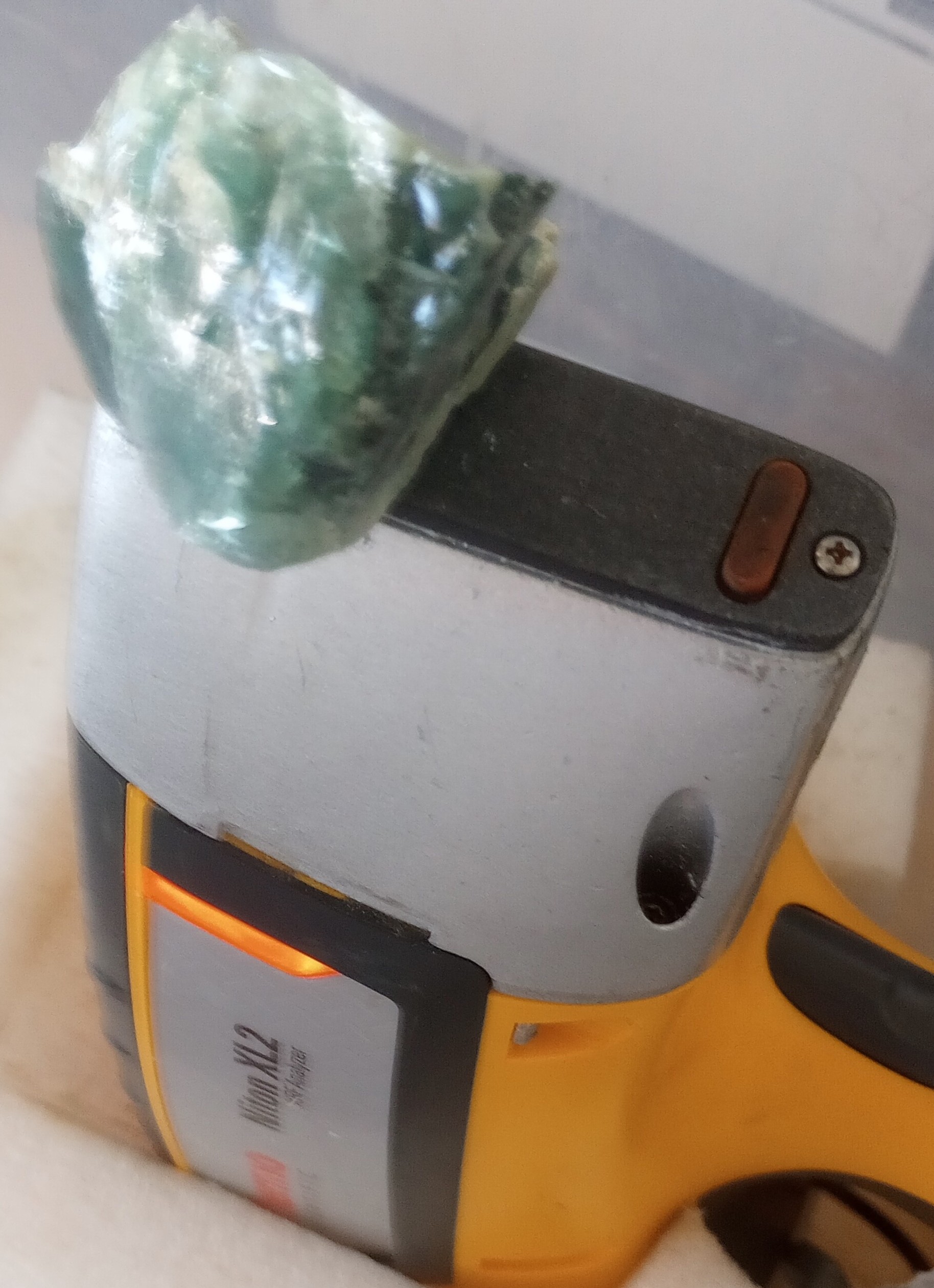
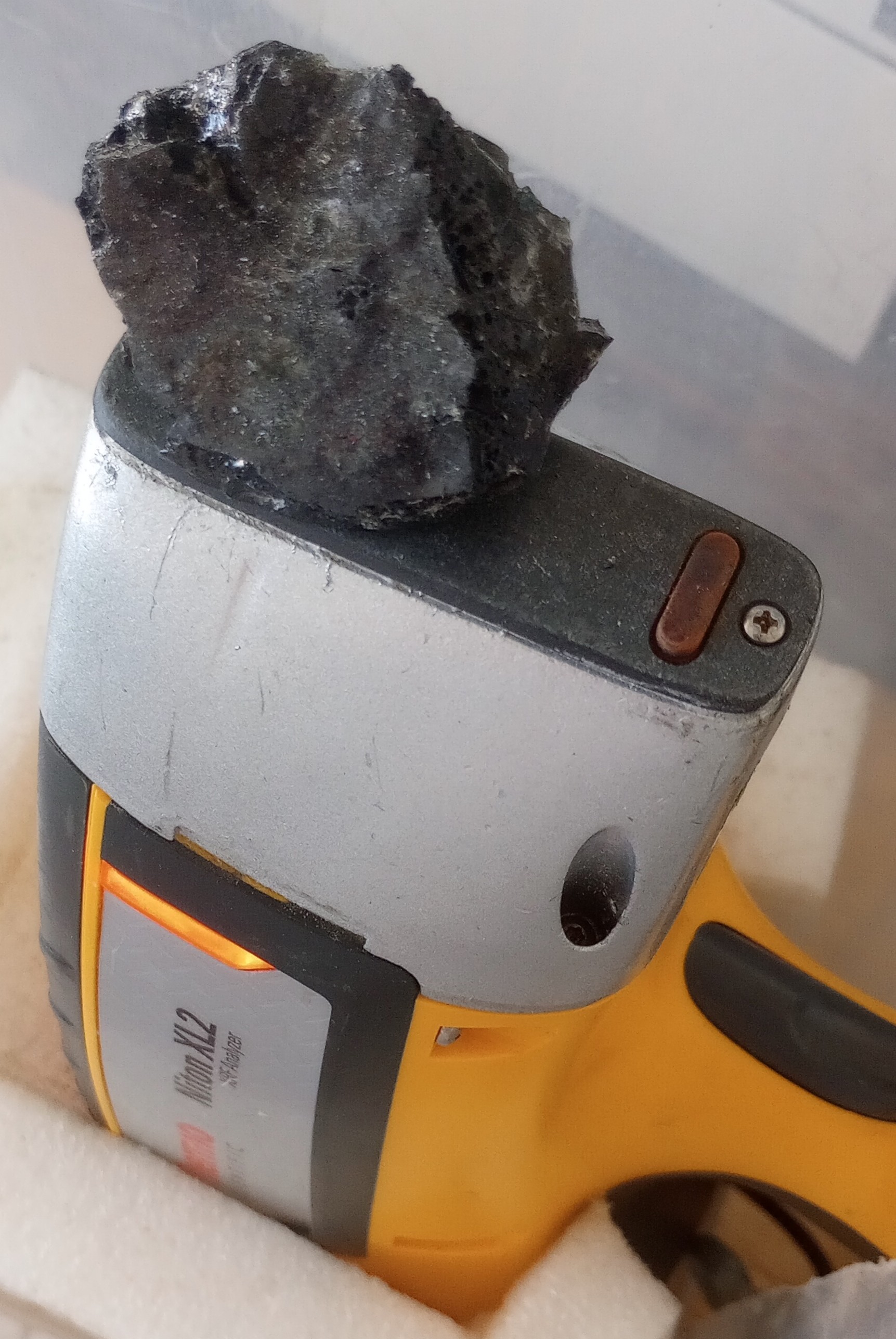
Smelting of the tellurite‑bearing material produces a characteristic slag that reflects the mineralogical and chemical transformations occurring under high‑temperature reduction conditions. During smelting, silicate‑rich and oxidized phases separate from metallic PMG‑bearing fractions, creating a clear visual and structural distinction between non‑metallic residues and reduced metal domains.
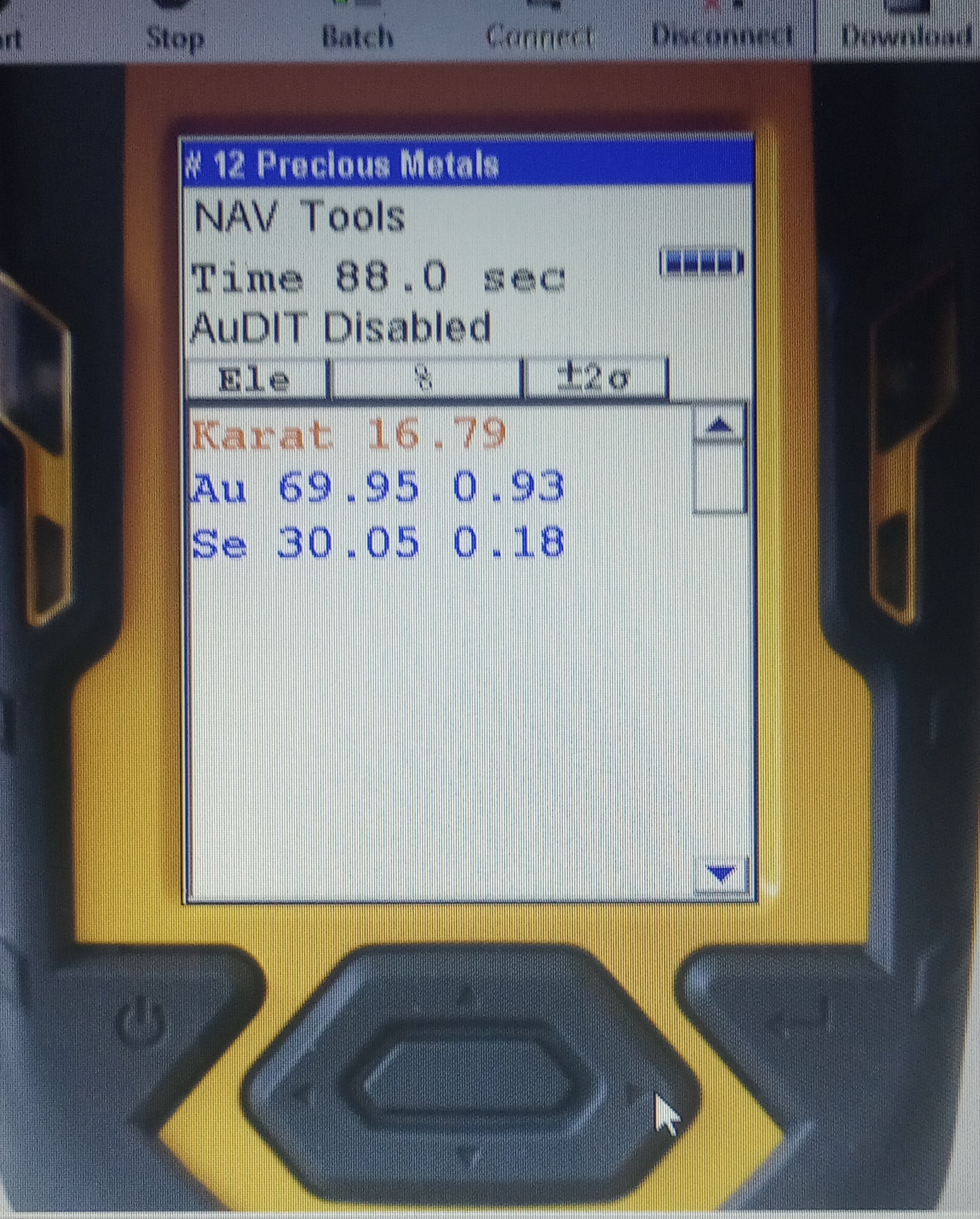
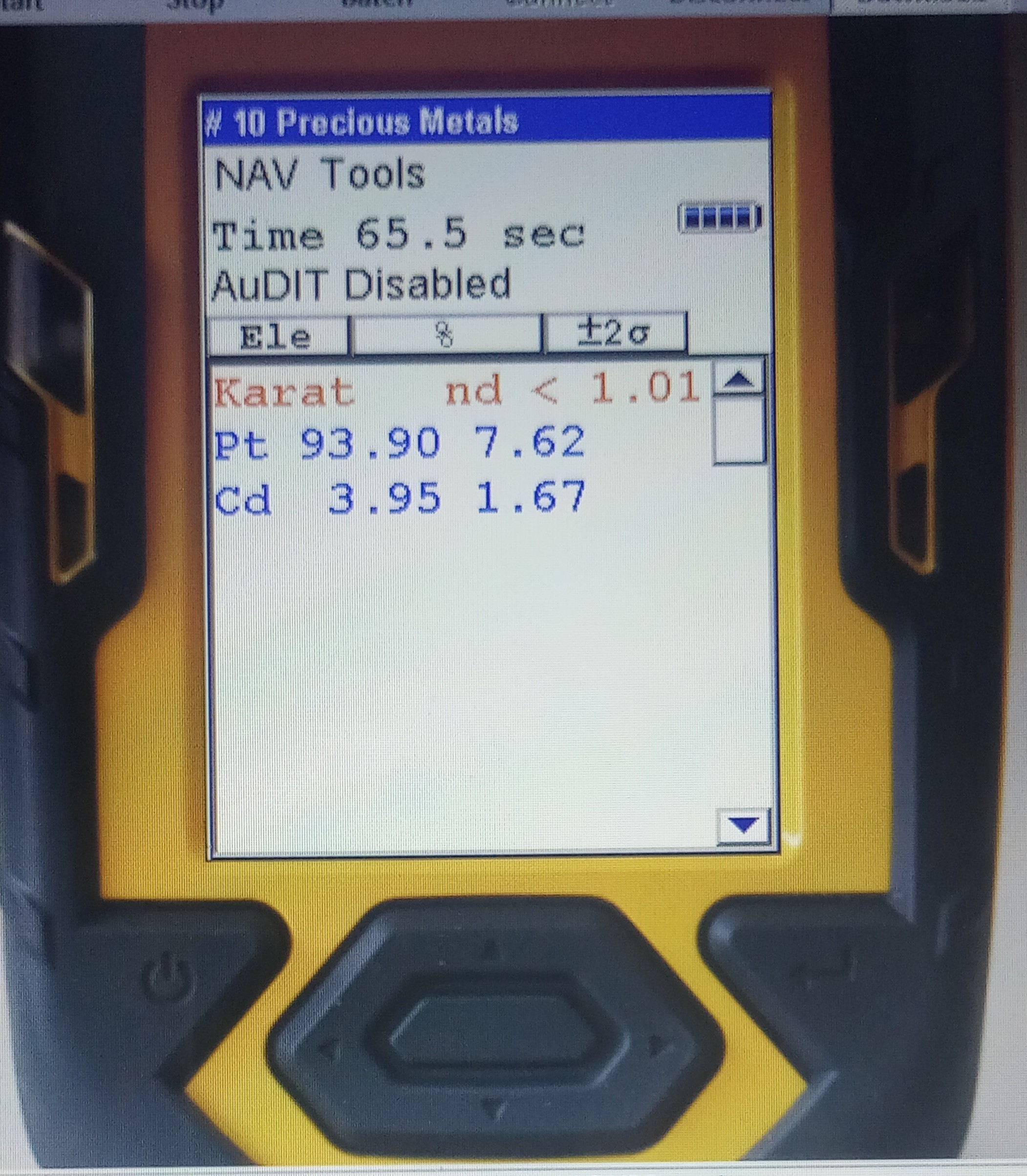
Green slag samples typically correspond to selenium‑ and tellurium‑rich oxidized residues, while darker slag fragments contain higher concentrations of reduced PMG inclusions. XRF analysis confirms this differentiation: green slag fragments have shown readings such as Au 69.95%, whereas black slag samples have produced exceptionally high PMG responses, including a scan with Pt 93.90%.
These observations demonstrate that smelting not only concentrates PMG phases but also isolates non‑metallic components into a stable vitrified matrix. As a result, slag samples serve as an important diagnostic tool for evaluating the efficiency of thermal processing and understanding PMG behavior under high‑temperature conditions.
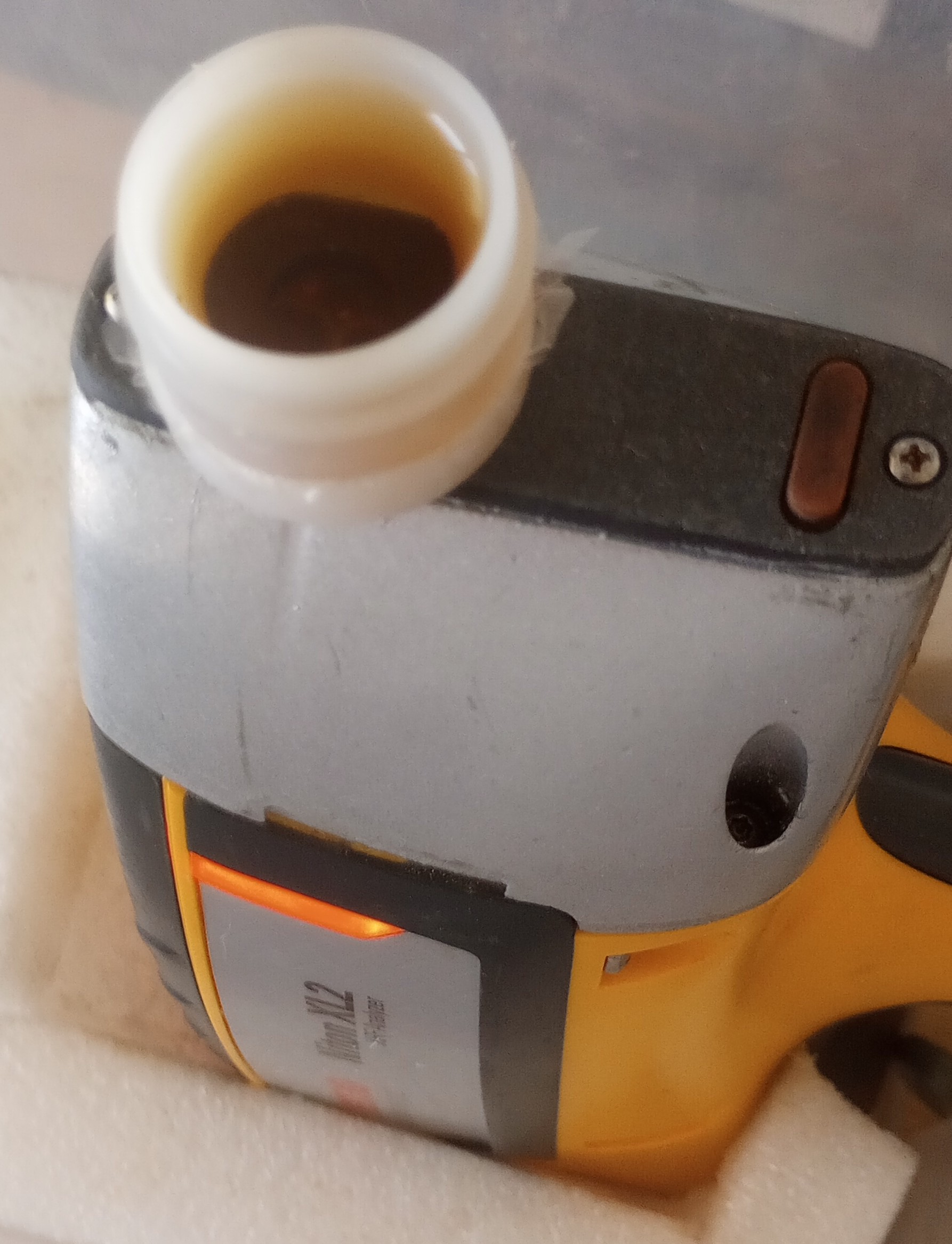
The electrolyte represents the final and most revealing stage of the electro‑hydro processing sequence. Under controlled voltage, pH, and temperature conditions, dissolved tellurium, selenium, and associated chalcogenides undergo redox transitions that release PMG‑bearing micro‑domains previously locked within the mineral matrix.
As these structures break down, metallic particulates enriched in Au, Ag, Pd, Rh, and Ru enter suspension within the solution. XRF analysis of the active electrolyte confirms the presence of these PMG species, demonstrating that the electro‑hydro method effectively isolates and concentrates precious‑metal phases into a stable, analyzable liquid medium.
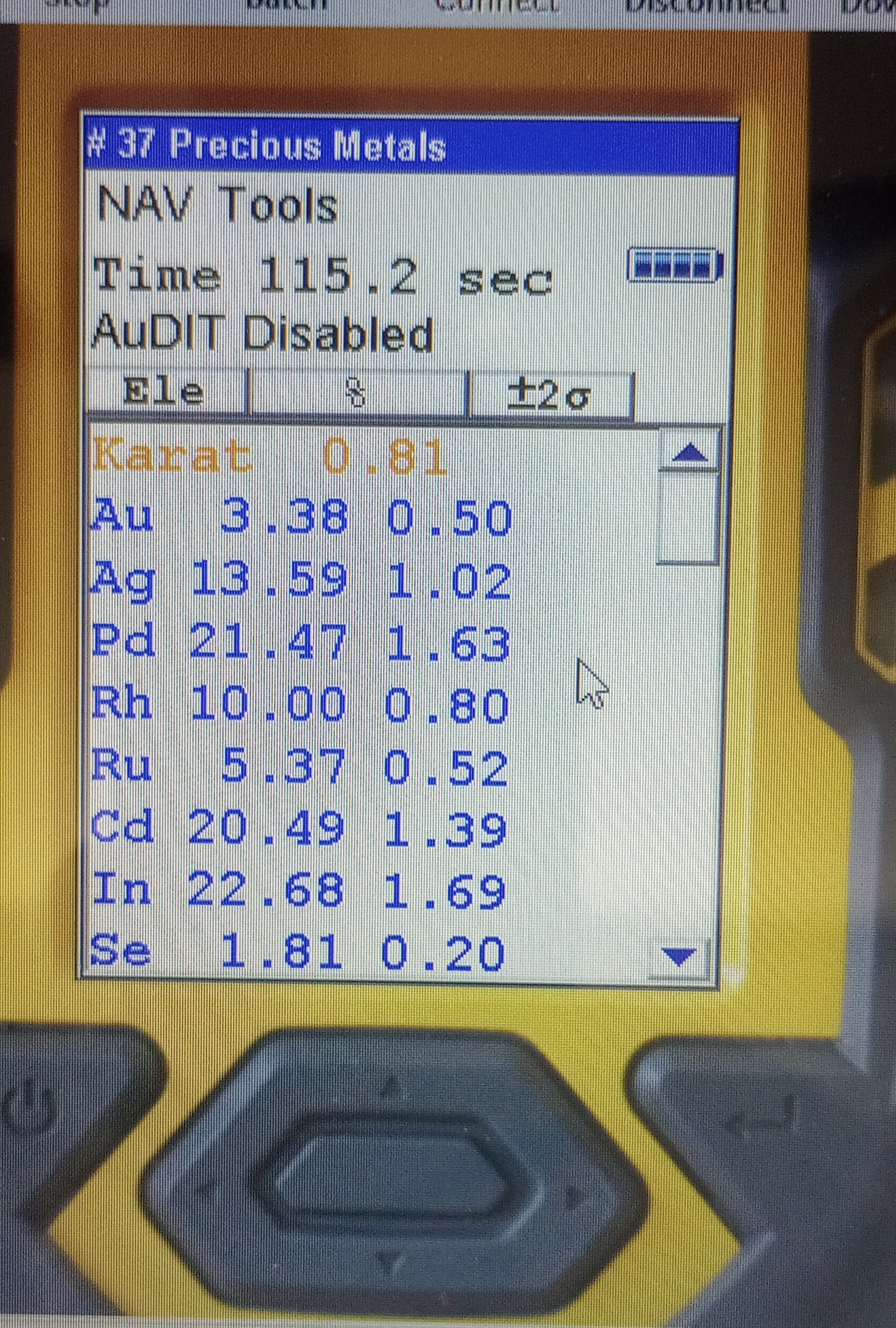
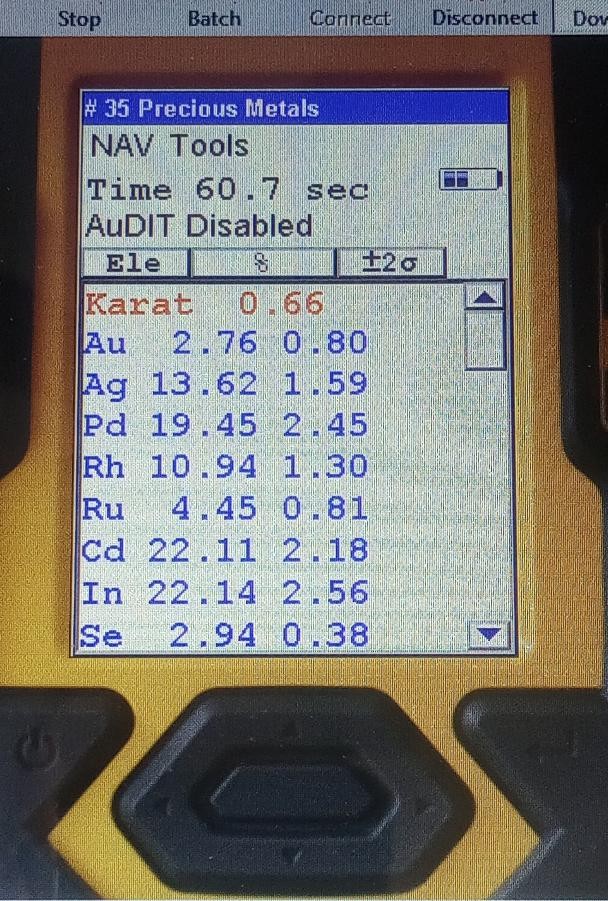
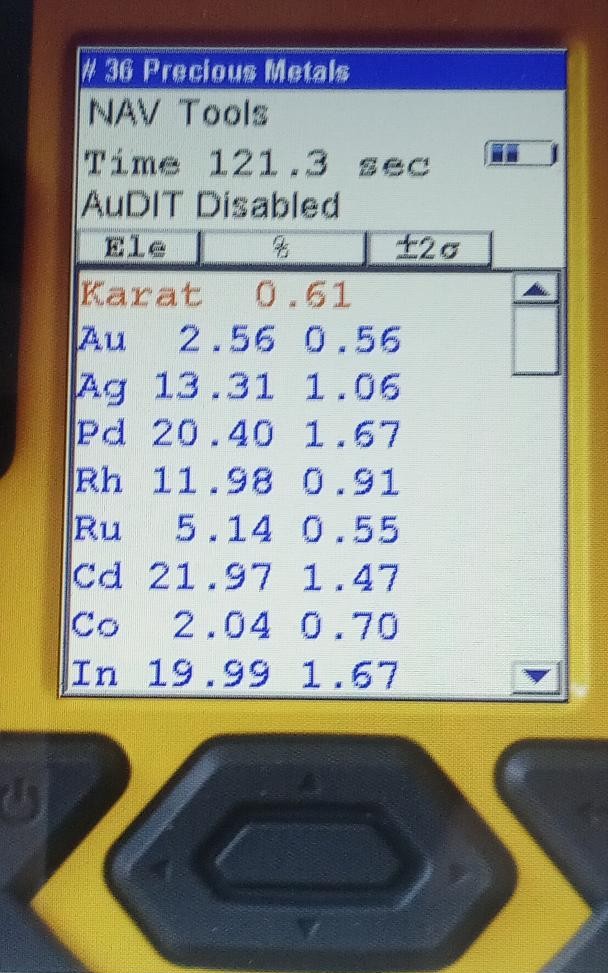
A comparative XRF scan was performed on a legacy electrolyte sample produced three years ago using an earlier version of the electrohydro process. This material was not derived from tellurite‑bearing rock, yet the scan clearly demonstrates the presence of multiple precious‑metal and platinum‑group elements, including Au, Ag, Pd, Rh, Ru, Cd, and Se.
Despite its age, the electrolyte remains chemically stable and continues to retain suspended PMG‑bearing particulates in a form detectable by XRF. The persistence of these signals confirms two important characteristics of the electrohydro method:
The photograph below shows the real‑time XRF scan of this historical electrolyte sample, demonstrating that PMG‑rich electrolytes produced by the electrohydro method remain analyzable and recoverable even after extended storage.
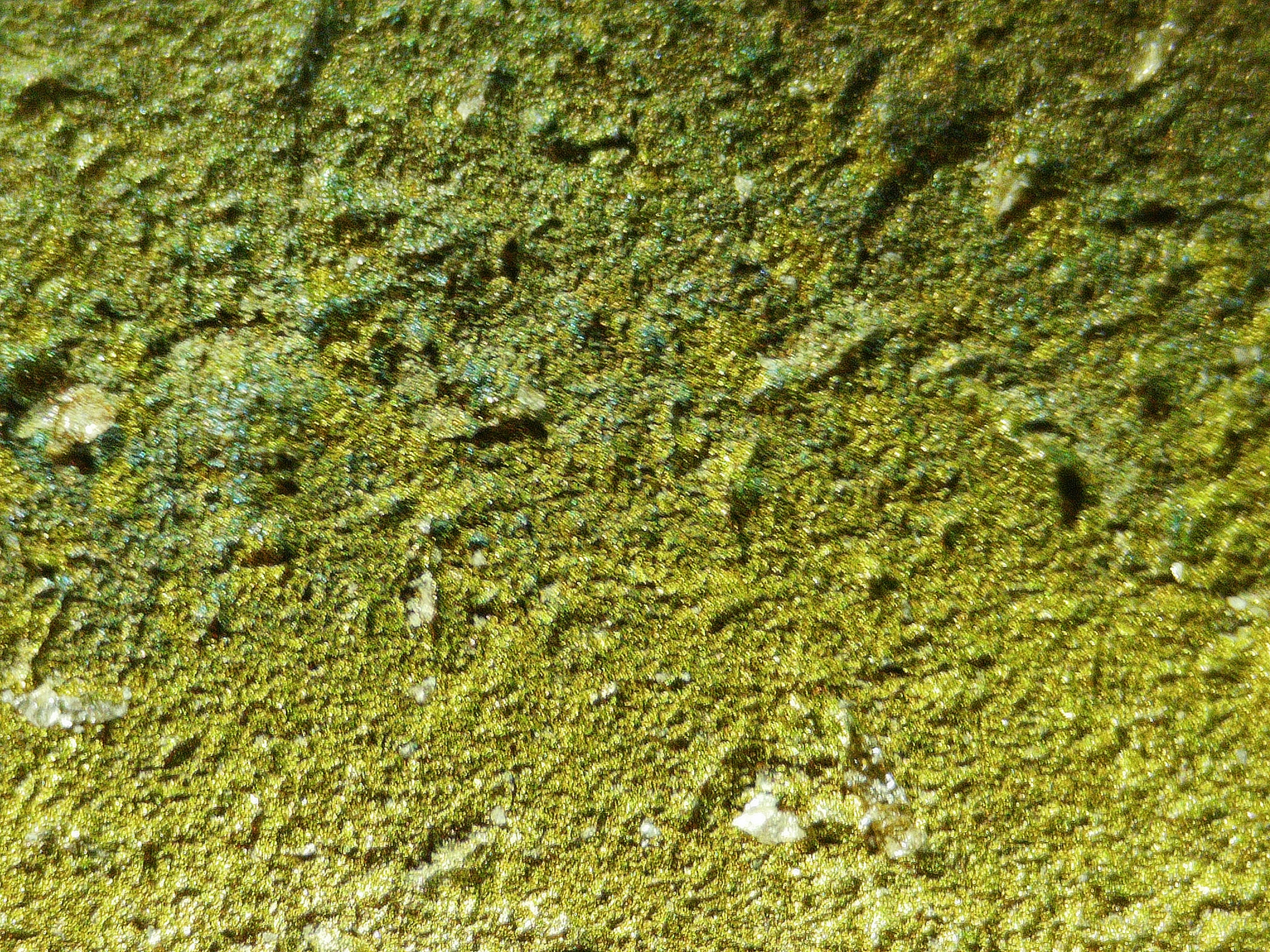
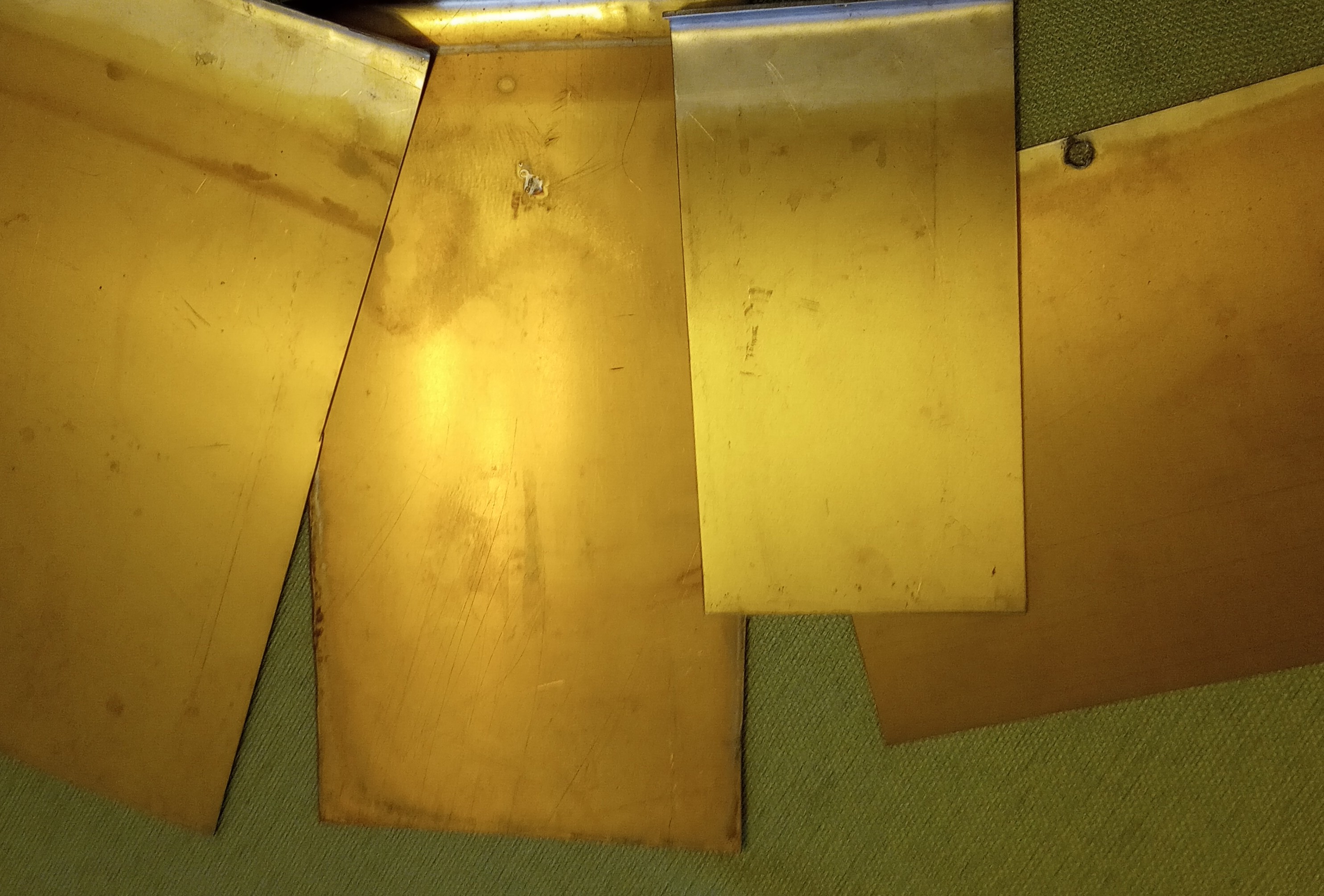
Preliminary microscopic observations of electrodes processed in the electrohydro system reveal clear evidence of precious‑metal deposition originating from PMG‑bearing sand. Although the electrode with the thickest coating is temporarily unavailable for imaging, several other samples display consistent and interpretable features that illustrate the underlying electrochemical processes.
Both titanium (Ti) and stainless‑steel (SS) electrodes, originally clean and metallic, developed heterogeneous surface coatings during electrolysis. These deposits range from thin, uniform metallic films to dense micro‑clusters and nodular growths. Gold‑toned and dark metallic layers observed macroscopically correspond to progressive nucleation and accumulation of noble‑metal phases.
Under microscopic magnification, the electrode surfaces exhibit irregular metallic micro‑domains characteristic of low‑current electrochemical precipitation. These structures align with XRF results confirming the presence of Au, Rh, Ru and other PGMs on the electrode surfaces. Their morphology and distribution strongly support the interpretation that PMG species migrate from the mineral matrix toward the electrodes, where they undergo reduction and deposition driven by the applied electric field.
Even without the most heavily coated electrode, the available samples consistently demonstrate the characteristic signatures of PGM accumulation, confirming the repeatability and robustness of the electrohydro process.
The electrolyte represents a fully processed, neutral‑pH liquid medium containing dissolved and colloidal precious and platinum‑group metals. It is chemically stable, non‑corrosive, and fully compatible with standard electrochemical and chemical recovery systems.
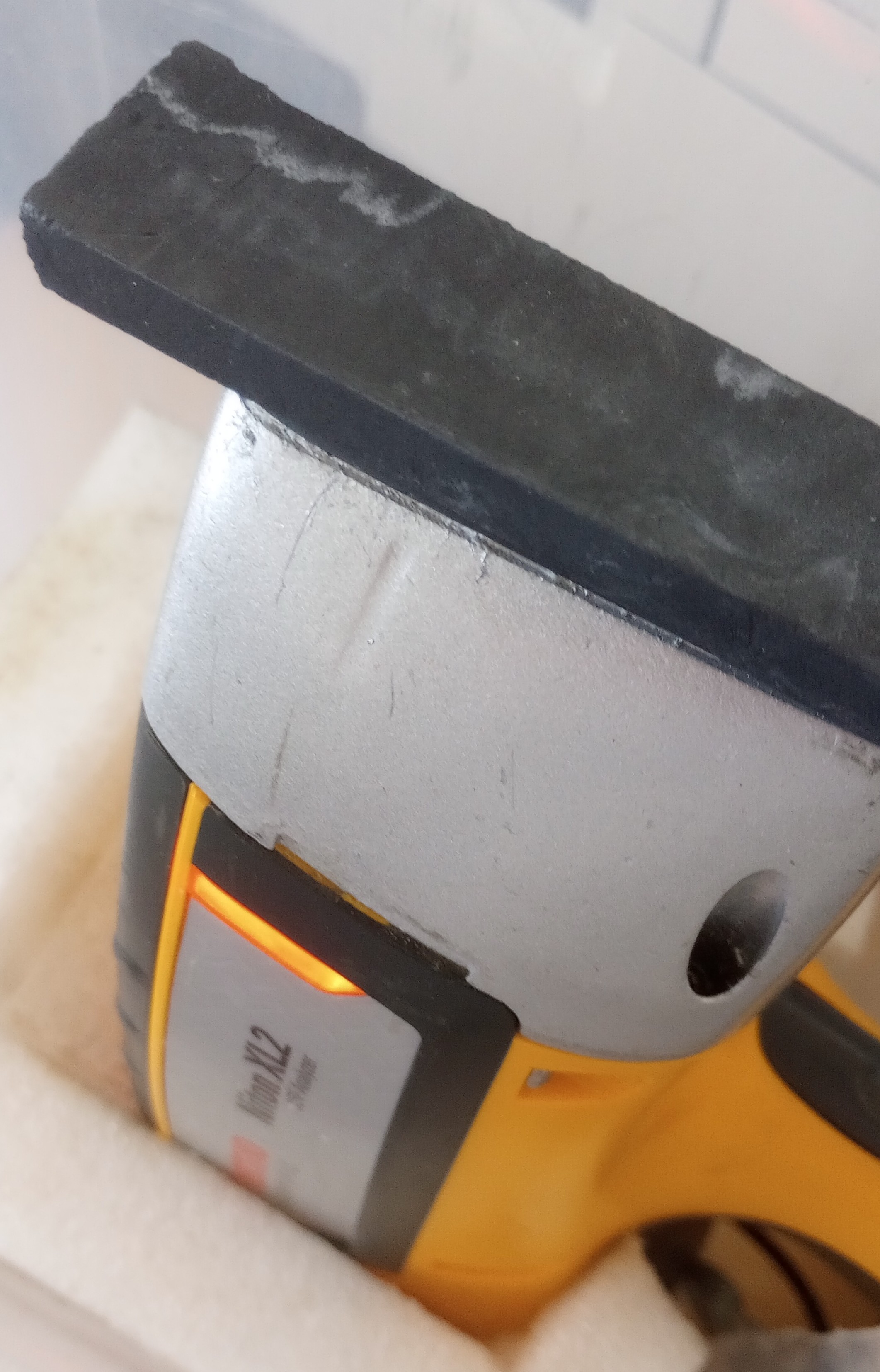
Microscopic and XRF analysis of electrodes processed in this electrolyte confirms the presence of metallic deposits and PMG microdomains formed during electrohydro treatment. A higher‑density electrode sample will be added when available.
This material represents a significant opportunity for facilities experienced in catalytic converter recycling, electronic scrap processing, and chemical PGM recovery. Its neutral pH and absence of aggressive chemistry make the electrolyte exceptionally easy and safe to integrate into existing recovery lines.
AZ MINE LLC has developed a comprehensive research and processing framework for the recovery of precious and platinum‑group metals (PMG) from tellurite‑bearing geological materials. Over many years of field sampling, laboratory testing, and cross‑continental comparative analysis, a uniquely mineralized ore source was identified and validated through extensive XRF data. Raw material consistently demonstrates exceptionally high PMG content, with representative samples ranging from 20%+ to over 70%.
A proprietary multi‑stage workflow — including roasting, electro‑hydro processing, smelting, and microscopic evaluation — confirms the presence, migration, and concentration of PMG phases at every stage. Long‑duration XRF scans reveal detailed multi‑element signatures, while shorter scans reliably capture the combined PMG mass. Smelting produces distinct slag phases enriched in noble metals, and electrode studies show clear micro‑domain deposition of Au, Rh, Ru, and related species.
The electrohydro‑derived electrolyte represents the most advanced stage of processing: a neutral‑pH, non‑corrosive liquid containing dissolved and colloidal PMG species. This material is fully compatible with standard recovery technologies and is available in significant volume (~150 gallons). Its stability, safety, and chemical simplicity make it exceptionally easy to integrate into existing refining lines.
AZ MINE LLC is now positioned to collaborate with qualified PGM recovery facilities through toll refining, joint processing, direct purchase, or pilot‑scale testing. The accumulated evidence — spanning raw ore, slag, electrodes, electrolyte, and XRF confirmation — demonstrates a repeatable, scalable, and scientifically validated pathway for PMG extraction from tellurite‑based materials.
For inquiries regarding research collaboration or limited concentrate availability:
Email:
info [at] az-mine [dot] com
Entity: AZ MINE LLC
Location: Arizona, USA (private site)